What should be recorded when a repeated-joint setup changes?
Keep the current drawing and material details, and identify fixture, access, part-presentation and handling changes separately.

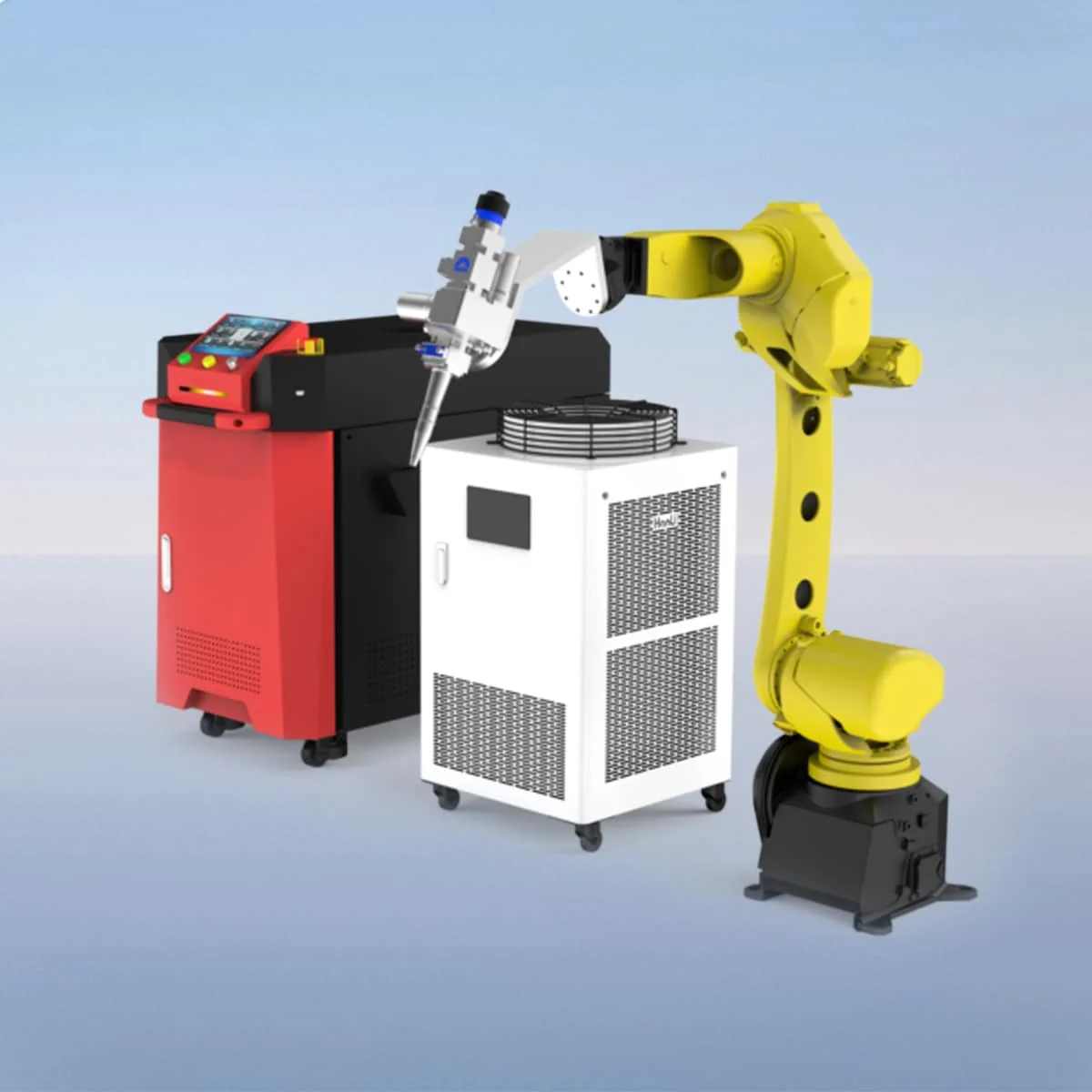
Laser Welding Machine
VIW2000R welding application configuration should keep repeated-joint requirements and integration revisions in one current record. A changed fixture or part-presentation arrangement can matter alongside a revised drawing. Identify those changes before comparing offers, so the equipment proposal does not appear to answer an older version of the assembly.
VIW2000R is listed at 2000W and 1080nm in the VIW-R automatic welding range. The series identifies a fixed structure, welding head, laser generator and industrial water chiller, with robotic arm integration described for welding automation and repetitive tasks. The specific robot and delivery scope remain matters for the actual proposal.
| Specification | VIW2000R |
|---|---|
| Laser Power | 2000W |
| Laser Wave Length | 1080nm |
| Laser Source | Raycus, JPT, IPG, Max |
| Fiber Length | Standard 10m, Maximum Support 20m |
| Cooling Method | Water Cooling |
| Support Language | English, Chinese, Japanese, Korean, Russian |
| Working Humidity | <70% No Condensation |
Configuration options vary by model. Confirm the final specification, selected components and operating requirements with your quotation.
The VIW2000R joint project brief should give the current drawing revision, materials and thicknesses, weld location and quantity. Describe how the fixture presents the parts and identify any changes from the earlier arrangement. If joints repeat in different assemblies, retain the access and geometry differences for each one.
VIW3000R lists 3000W compared with VIW2000R at 2000W. The comparison is laser power, not a measured improvement in production rate, penetration or joint quality. Keep the current fixture and assembly information attached when discussing which equipment configuration is proposed.
The VIW-R controls are described as supporting monitoring and adjustment of power, speed and focus. These are settings to discuss against the current application. They do not establish an automatically generated procedure, a robot-axis count or a validated process for every revised joint.
VIW2000R equipment options should identify changes in integration scope separately from changes in welding equipment. If existing buyer equipment is part of the discussion, give its current specification. If a robot is requested in the offer, ask for the proposed item and inclusion to be explicit instead of relying on a general integration statement.
Record fixture, loading and removal responsibilities for the revised arrangement. A change to any of those items should remain visible even when the joint drawing is unchanged. The robotic-integration description does not establish a complete unattended line or that all related hardware is supplied together.
The fiber-length entry is standard 10m with maximum support of 20m. Describe any changed equipment layout and confirm the length actually supplied. The maximum figure is not a default package item and does not establish that a revised integration arrangement has already been addressed.
VIW2000R quotation requirements should name the selected Raycus, JPT, IPG or Max source, supplied fiber and water-cooled configuration. Ask the head, chiller and included welding equipment to be listed, with robot and fixture responsibilities separately identified. Label changes from the previous offer clearly.
The table lists English, Chinese, Japanese, Korean and Russian interface languages and Working Humidity below 70% with no condensation. Provide the destination and request current installation and setup information. Those entries should not be extended into a training, service or unrestricted-environment promise.
Consolidate drawings, selected components, responsibility changes and unanswered integration questions before comparing final offers. The linked series and next power model provide source context. Use the contact page to submit the complete current revision so the proposal can state precisely what work and equipment it addresses.
Keep the current drawing and material details, and identify fixture, access, part-presentation and handling changes separately.
The series description does not establish a particular robot specification. Ask the proposed robot and supplied scope to be identified explicitly.
The values are laser-power ratings. They do not provide a cycle time or weld result for the revised assembly.
Describe the revised arrangement and confirm the supplied length. The source lists 10m standard with maximum support of 20m.
Distinguish welding equipment changes from robot, fixture and handling responsibilities, retaining the current drawings and open integration questions.
Compare VIW-R Laser Welding Machine models
Share your material, dimensions and process. Start a conversation about the right configuration.